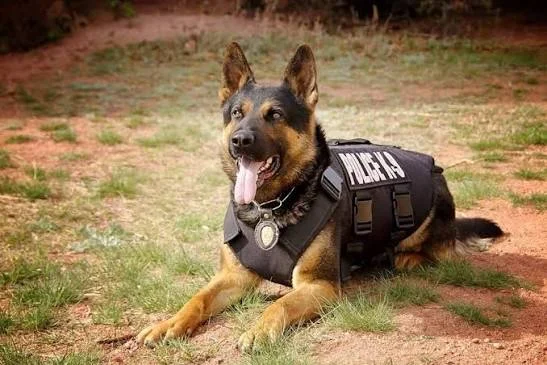
When people think about military heroes, they often imagine brave soldiers standing on the battlefield, protecting their countries and saving innocent lives. However, there is another group of heroes that deserves equal respect and appreciation. These heroes do not carry guns, wear traditional military uniforms, or speak human languages. Instead, they have four legs, sharp senses, incredible loyalty, and an extraordinary ability to understand their handlers. They are known as military dogs.
Military dogs have played an important role in protecting soldiers, detecting dangerous explosives, finding missing people, and supporting military operations around the world. Their courage, intelligence, and loyalty make them valuable members of armed forces.
Behind every military dog is a story of friendship, sacrifice, and unconditional love. Some dogs spend years serving alongside soldiers, creating powerful emotional connections that continue even after their military service ends. This article explores the history, responsibilities, training, and emotional stories of military dogs.
What Are Military Dogs?
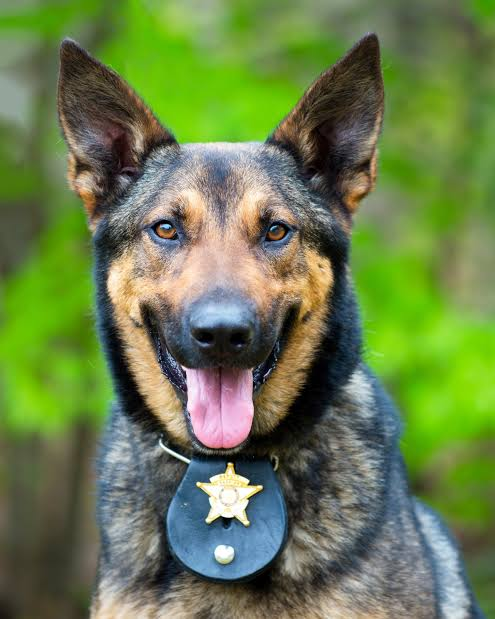
Military dogs are specially trained dogs that work with armed forces to perform important security and support duties. They are sometimes called Military Working Dogs (MWDs).
These dogs are trained to use their natural abilities, including their powerful sense of smell, excellent hearing, speed, and intelligence. They work closely with military personnel and often accompany soldiers during challenging missions.
Unlike ordinary pets, military dogs receive specialized training to prepare them for demanding environments. They may work at military bases, airports, borders, and dangerous locations where human soldiers need additional support.
Their responsibilities can include:
- Detecting explosives and dangerous substances.
- Searching buildings and vehicles.
- Finding missing soldiers and civilians.
- Protecting military facilities.
- Tracking suspicious individuals.
- Supporting search-and-rescue operations.
Although they cannot communicate through words, their actions often speak louder than anything a human could say.
The Emotional Bond Between Military Dogs and Soldiers
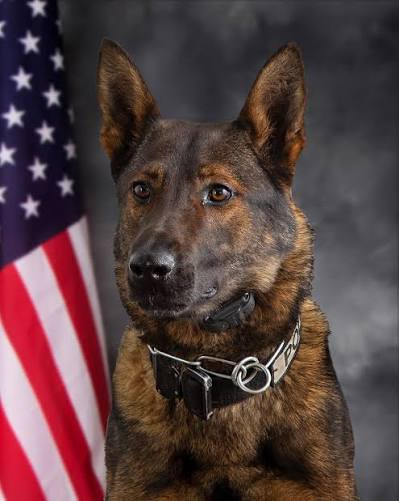
One of the most beautiful aspects of military dog service is the relationship between a dog and its handler.
A military handler is the person responsible for training, caring for, and working alongside a military dog. They spend countless hours together, learning each other’s behavior and developing trust.
During difficult assignments, the handler depends on the dog’s abilities, while the dog depends on the handler for guidance and protection.
Over time, this professional relationship often becomes a deep friendship.
Imagine a soldier returning to the military base after a difficult mission. Instead of asking questions or discussing the challenges of the day, his loyal dog runs toward him, wagging its tail and expressing happiness.
For many soldiers, that simple moment provides comfort during stressful times.
Military dogs do not judge their handlers based on their mistakes, fears, or emotions. They offer companionship without expecting anything in return.
This special connection can become one of the most meaningful relationships in a soldier’s life.
A Heart-Touching Story of a Military Dog
Consider the story of a fictional military working dog named Max and his handler, Daniel.
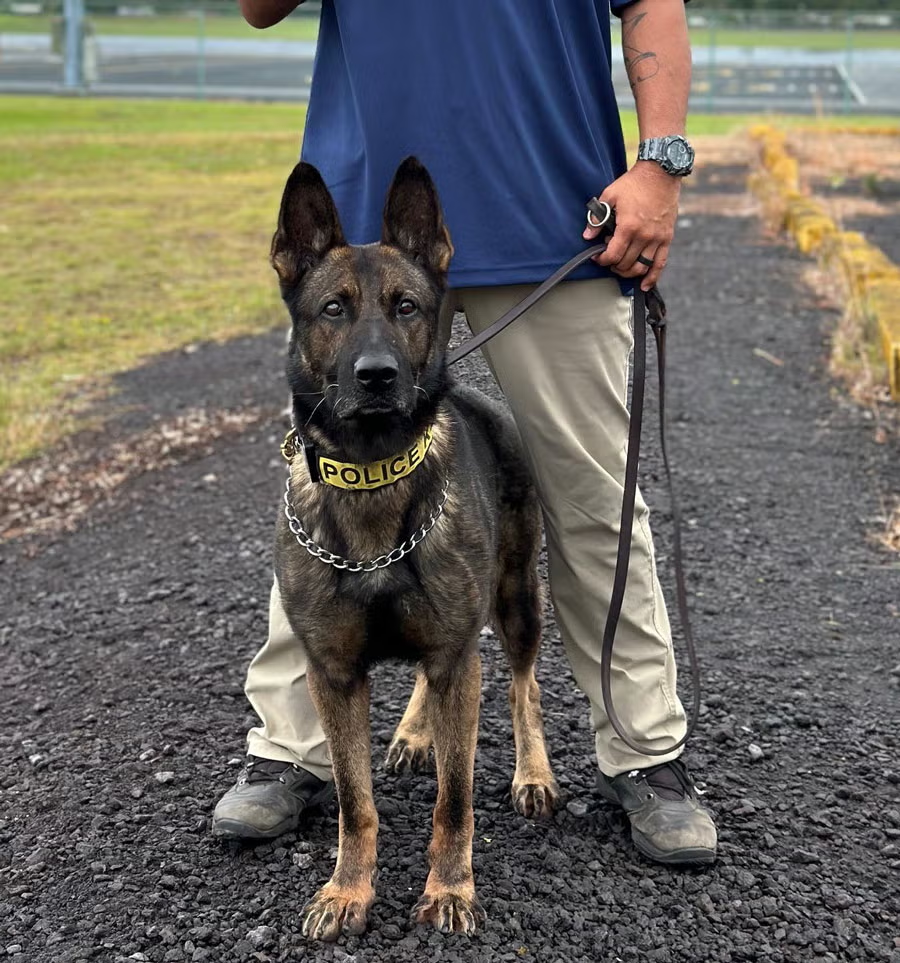
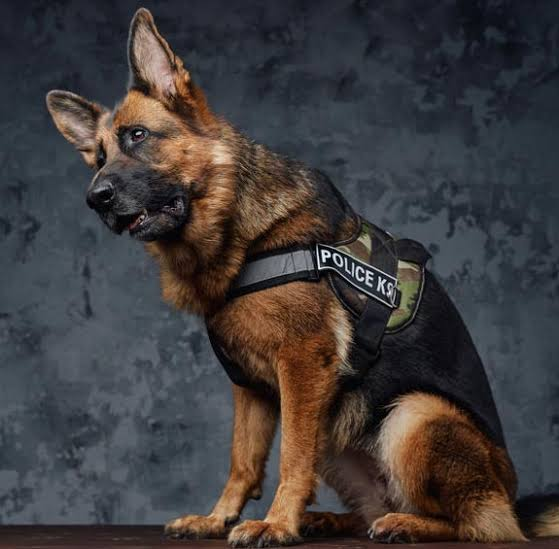
Max was a young German Shepherd selected for military training because of his intelligence, energy, and strong sense of smell. Daniel became his handler and spent several months teaching him important commands and search techniques.
At first, Max was energetic and sometimes struggled to follow instructions. However, Daniel remained patient and continued working with him every day.
Eventually, the two developed an extraordinary connection.
They trained together, exercised together, and spent long hours preparing for challenging assignments.
One morning, Max and Daniel were assigned to inspect an area where soldiers suspected dangerous explosives might be hidden. Max carefully searched the location and alerted his handler to a suspicious object.
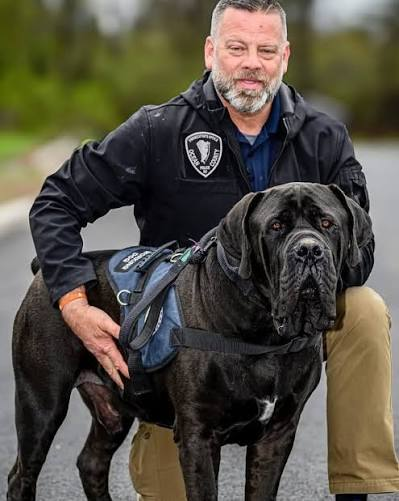
His warning allowed the team to stop and arrange a safe inspection.
After the mission, Daniel knelt beside Max, gently rubbed his head, and whispered, “You did a great job, buddy.”
Max responded by placing his head against Daniel’s shoulder.
For Daniel, that moment represented more than successful training. It reminded him that his partner was not simply a working animal but a loyal friend who trusted him completely.
Years later, when Max retired from military service, Daniel made arrangements to adopt him.
The dog that had once protected Daniel during dangerous assignments finally received the opportunity to enjoy a peaceful life with the person he trusted most.
Although this is an illustrative story rather than a documented military incident, it reflects the powerful relationships that can develop between military dogs and their handlers.
Popular Breeds Used as Military Dogs
Not every dog is suitable for military work. Armed forces generally select dogs based on their intelligence, physical abilities, confidence, health, and temperament.
Some of the most commonly recognized military dog breeds include:
1. German Shepherd
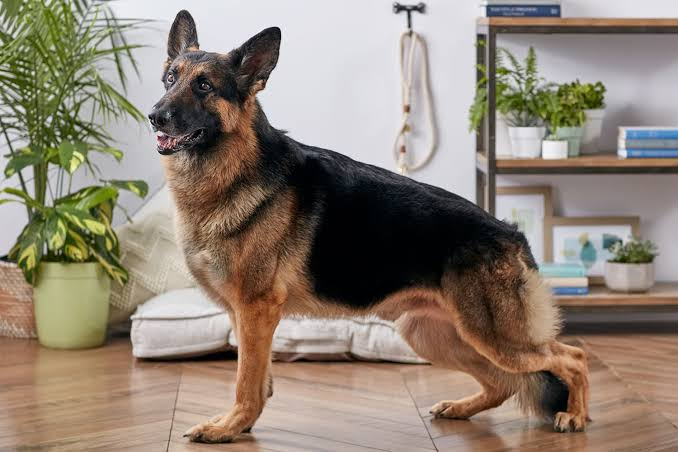
The German Shepherd is one of the most famous military working dog breeds.
<image-placeholder alt=”German Shepherd military working dog standing beside a soldier”/>
These dogs are intelligent, loyal, strong, and highly trainable. They are commonly associated with patrol duties, detection work, and security operations.
Their ability to learn commands quickly makes them valuable working partners.
2. Belgian Malinois
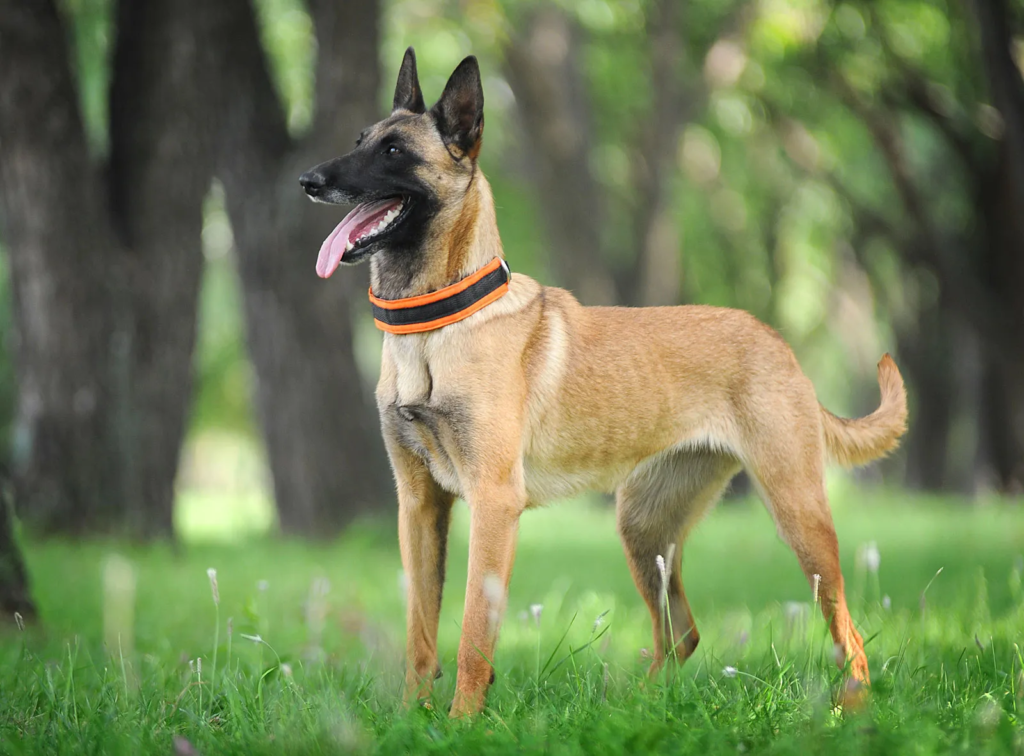
Belgian Malinois dogs are known for their athletic bodies, speed, energy, and intelligence.
<image-placeholder alt=”Belgian Malinois military working dog during training”/>
They are frequently used in military and law enforcement operations because they can perform physically demanding tasks and respond quickly to commands.
Their confidence and work ethic make them particularly suitable for specialized training.
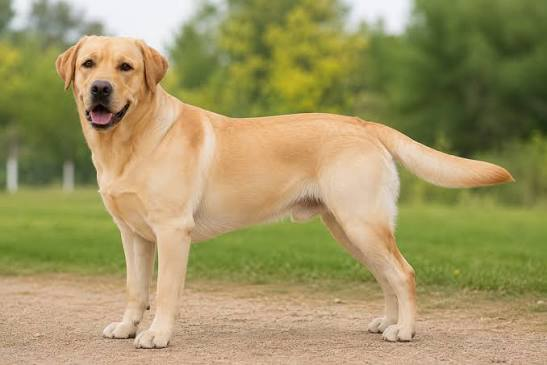
3. Labrador Retriever
Labrador Retrievers are friendly, intelligent, and famous for their excellent sense of smell.
<image-placeholder alt=”Labrador Retriever military detection dog”/>
They are especially useful in detection roles, including searching for explosives and other prohibited substances.
Their calm temperament can also make them suitable for working in busy public environments.
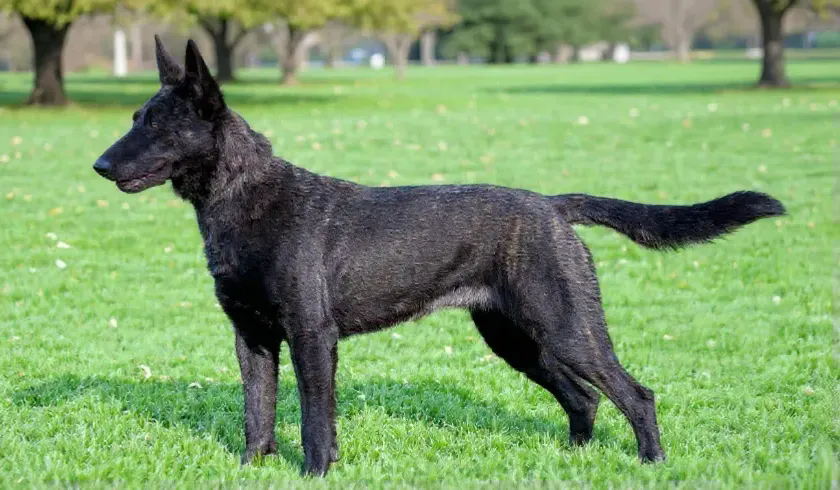
4. Dutch Shepherd
Dutch Shepherds are energetic, intelligent, and hardworking dogs.
<image-placeholder alt=”Dutch Shepherd working dog with military handler”/>
They can perform patrol, detection, and tracking duties. Their athletic abilities and strong working instincts make them suitable for demanding assignments.
The Important Duties of Military Dogs
Military dogs perform several important responsibilities that help protect soldiers and civilians.
Explosive Detection
One of the most important responsibilities of military dogs is detecting explosives.
Their extraordinary sense of smell allows them to identify certain explosive-related odors that humans may not detect.
They can search vehicles, buildings, roads, and other locations to help military teams identify potential threats.
Search and Rescue
Military dogs can help locate missing people following accidents, disasters, or dangerous incidents.
Their powerful noses allow them to follow scent trails and search areas that may be difficult for humans to access.
Patrol and Security
Some military dogs are trained to support security teams by patrolling military facilities and helping identify suspicious activity.
Their hearing, speed, and awareness can provide additional protection.
Tracking Operations
Military dogs can follow human scent trails and help handlers locate individuals.
This ability makes them useful during certain search and security operations.
How Military Dogs Are Trained
Military dog training requires patience, consistency, and professional expertise.
Training usually begins when dogs are young, although suitable adult dogs may also be selected.
The process generally includes several important stages.
Basic obedience: Dogs learn essential commands such as sit, stay, come, and heel.
Socialization: They become comfortable around people, vehicles, equipment, and different environments.
Specialized training: Dogs develop specific skills such as explosive detection, tracking, or patrol work.
Handler bonding: Dogs and handlers spend time together to establish trust and effective communication.
Operational preparation: Teams practice realistic situations to improve their ability to work safely and effectively.
Training is not only about teaching dogs to follow commands. It is also about developing confidence, controlling stress, and building a reliable partnership.
The Sacrifices of Military Working Dogs
Military dogs sometimes work in dangerous environments where they may face extreme weather, unfamiliar locations, loud noises, and physical challenges.
Like human soldiers, they can experience injuries and stress.
Their contribution should never be overlooked simply because they cannot explain their experiences in words.
Military organizations must provide proper veterinary care, nutrition, rest, and protection to ensure their welfare.
Recognizing their sacrifices also means ensuring that retired military dogs receive appropriate medical attention and opportunities for a comfortable life.
Life After Retirement: When Heroes Become Family Members
Military service does not last forever.
When military dogs become too old or are no longer suitable for active duties, they may retire from service.
For many of these dogs, retirement is the beginning of a new chapter.
Some are adopted by their former handlers, allowing them to remain with the people they already trust. Others find loving homes through adoption programs.
After years of following commands and performing demanding duties, retired military dogs deserve peaceful days, comfortable sleeping places, regular veterinary care, and plenty of affection.
A retired military dog may no longer patrol dangerous locations, but its loyalty and bravery remain part of its story.
Why Military Dogs Deserve Our Respect
Military dogs deserve recognition for many reasons.
First, they help protect human lives by using their natural abilities in difficult situations.
Second, they demonstrate extraordinary loyalty and trust toward their handlers.
Third, they provide emotional support and companionship to soldiers who may experience stressful working conditions.
Finally, their service reminds us that courage and dedication are not limited to humans.
These animals contribute through their intelligence, training, and willingness to work alongside people.
Honoring military dogs means recognizing their achievements and supporting their welfare throughout their lives.
Conclusion
Military dogs are more than trained animals. They are loyal companions, hardworking partners, and courageous members of military teams.
From detecting dangerous explosives to helping locate missing people, their contributions have made a meaningful difference in military operations around the world.
But perhaps their greatest gift is the emotional connection they create with the people who care for them.
Behind every military dog is a story of trust, friendship, courage, and sacrifice. Whether serving on a military base or enjoying retirement with a loving family, these four-legged heroes deserve kindness and respect.
The next time you hear about a brave soldier, remember the loyal dog that may have stood beside them. Sometimes, the smallest paws leave the biggest footprints in history.
Frequently Asked Questions (FAQs)
1. What is a military dog?
A military dog is a specially trained dog that works with armed forces to perform tasks such as explosive detection, tracking, patrol, security, and search-and-rescue operations.
2. Which dog breed is best for military work?
German Shepherds and Belgian Malinois are among the most widely recognized military working breeds. Labrador Retrievers and Dutch Shepherds are also used for specialized duties.
3. How long do military dogs serve?
Their service period varies depending on their health, training, working ability, and military requirements. Many dogs retire when age or health makes active duties unsuitable.
4. Do military dogs receive special training?
Yes. They receive specialized training in obedience, detection, tracking, patrol, socialization, and working with their assigned handlers.
5. What happens to military dogs after retirement?
Retired military dogs may be adopted by their former handlers or placed with suitable families through adoption programs. They receive the opportunity to enjoy a more relaxed life.
6. Why are military dogs important?
Military dogs help detect threats, protect military personnel, locate missing people, and provide valuable support during security operations. Their intelligence, loyalty, and specialized abilities make them important members of military teams.